For pet owners, maintaining a healthy indoor environment is crucial not only for their own comfort but also for the well-being of their furry companions. Regular HVAC maintenance plays a significant role in ensuring cleaner air quality and reducing allergens that can affect both humans and pets. Pets naturally shed fur, dander, and sometimes carry dirt or outdoor pollutants into the home. These particles circulate through the air and can accumulate in heating, ventilation, and air conditioning systems if they are not properly maintained.
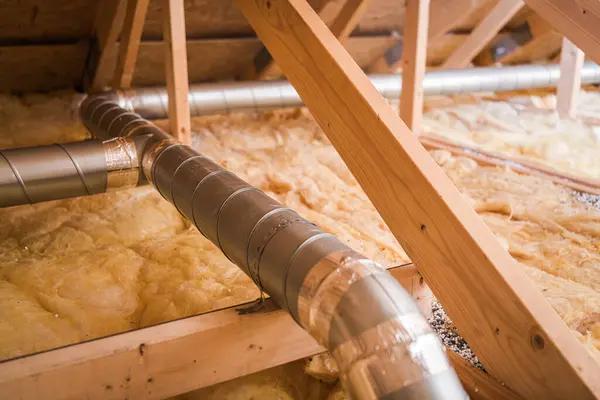
When an HVAC system operates without routine upkeep, dust, pet hair, and other debris build up within filters and ductwork. This accumulation restricts airflow and forces find the source here system to work harder to maintain desired temperatures. More importantly, it allows airborne contaminants to recirculate throughout living spaces rather than being effectively filtered out. For individuals with allergies or respiratory sensitivities-and many pets fall into this category-this degraded air quality can trigger discomfort such as sneezing, coughing, itchy eyes, or even more serious respiratory issues.
Regular professional inspections ensure that filters are replaced or cleaned frequently enough to capture pet-related particulates before they spread indoors. High-quality filters designed specifically for homes with animals can trap smaller particles like dander more efficiently than standard ones. Additionally, cleaning ducts eliminates trapped allergens that might otherwise be blown back into rooms during heating or cooling cycles. An optimized HVAC system runs more efficiently when free from blockages caused by accumulated debris; this efficiency reduces energy consumption while improving overall performance.
Beyond filtering concerns related directly to pets’ presence in the home, regular maintenance helps control humidity levels-a factor often overlooked but essential for respiratory health. Proper humidity prevents mold growth inside ducts or on surfaces where moisture accumulates due to condensation from temperature differences created by HVAC operation. Mold spores pose significant risks both to people’s lungs and animals prone to allergies or asthma-like symptoms.
Pet owners often notice odors lingering longer in their homes because of animal scents mingling with dust particles settling around furniture fabrics or carpets. A well-maintained HVAC system equipped with clean filters helps reduce these odors by continuously removing airborne contaminants instead of allowing them to settle indoors unchecked.
Ultimately, investing time in routine HVAC care creates a healthier atmosphere where both people and pets breathe easier every day. It minimizes allergen exposure while promoting efficient climate control tailored specifically for households sharing space with animals who contribute unique challenges unseen in typical residences without pets. This proactive approach fosters comfort along with peace of mind knowing your family’s indoor environment supports wellness alongside warmth during colder months or cool relief when summer heat arrives-all made possible through consistent attention given toward your heating and cooling systems’ upkeep year-round.