
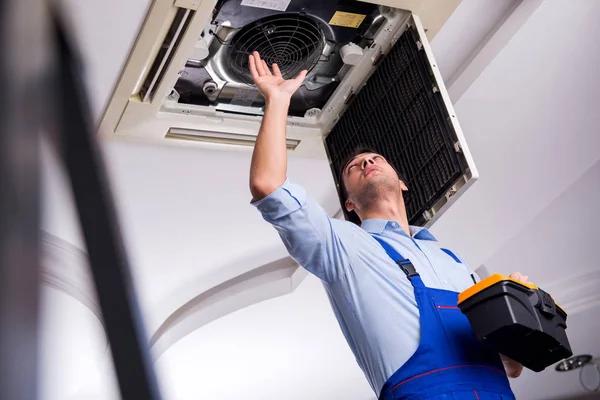
When it comes to heating, ventilation, and air conditioning (HVAC) services, understanding the differences between commercial and residential contractors is essential for ensuring proper installation, maintenance, or repair. Both sectors require specialized knowledge and skills tailored to their unique environments. Residential HVAC contractors typically work on systems designed for homes or small living spaces. These systems are generally smaller in scale and less complex than those found in commercial settings. Homeowners often seek these professionals for routine maintenance, emergency repairs, or new installations that suit the comfort needs of a household.
Commercial HVAC contractors handle larger, more intricate systems used in office buildings, retail stores, warehouses, hospitals, and other business facilities. The equipment they work with must accommodate higher occupancy levels and comply with strict regulatory standards related to energy efficiency and indoor air quality. Because of this complexity, commercial HVAC technicians usually have advanced training and certifications specific to large-scale systems. They also need to understand building codes that differ significantly from residential regulations.
One major distinction lies in the size of the equipment involved. Residential units often consist of split systems or packaged units sized for single-family homes or apartments. In contrast, commercial setups may include rooftop units capable of handling ac repair multiple zones within a building simultaneously through sophisticated control mechanisms like variable refrigerant flow (VRF) technology or chilled water systems connected to central cooling towers. This means that commercial contractors must be adept at managing multi-zone controls and integrating HVAC with other building management systems.
Service contracts also vary between residential and commercial clients due to differing operational demands. Commercial properties typically require scheduled preventive maintenance during off-hours to minimize disruption to business activities while maintaining system reliability throughout high-usage periods. Residential customers might prefer flexible scheduling options based on personal convenience rather than strict adherence to business hours.
Cost structures reflect these differences as well; commercial projects tend to involve higher upfront investments because of larger equipment sizes and more extensive labor requirements but can offer long-term savings through energy-efficient technologies tailored for heavy usage scenarios. Residential services focus more on affordability balanced with comfort enhancements suitable for everyday living conditions.
Choosing the right contractor means considering experience relevant to your specific environment alongside licensing credentials appropriate for either residential or commercial work scopes. Ensuring your technician understands local codes helps avoid compliance issues down the line while guaranteeing optimal system performance tailored precisely for your property’s needs.
In summary, while both types of HVAC contractors share foundational skills in heating and cooling technology fundamentals, their expertise diverges according to scale complexity and regulatory frameworks inherent in residential versus commercial applications. Knowing these distinctions aids property owners in making informed decisions when hiring professionals who will deliver efficient climate control solutions suited perfectly either for home comfort or business operations alike.