
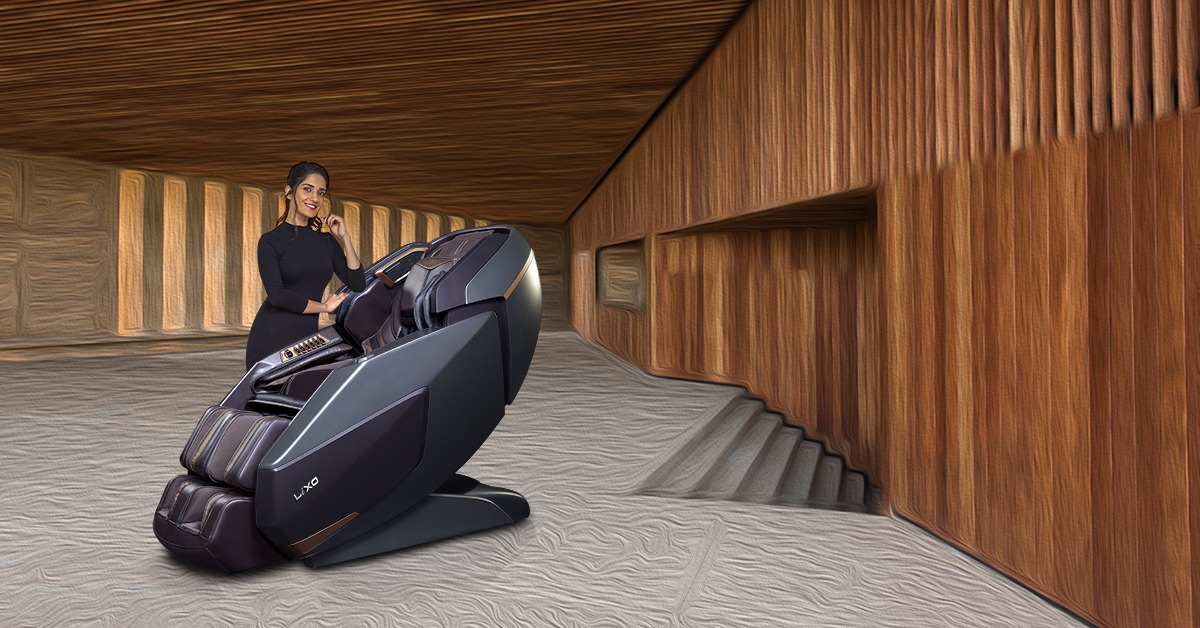
Shoulder tension is a common complaint affecting many individuals due to factors such as prolonged poor posture, stress, repetitive movements, and sedentary lifestyles. This discomfort can range from mild stiffness to severe pain that interferes with daily activities. As people seek effective ways to alleviate this tension, massage chairs have gained popularity as a convenient and accessible solution. But the question remains: can massage chairs truly relieve shoulder tension?
Massage chairs are designed to mimic the techniques used by professional massage therapists, including kneading, tapping, rolling, and shiatsu movements. These functions target various muscle groups and pressure points in the body. When it comes to shoulder tension specifically, many modern massage chairs come equipped with specialized rollers and airbags that focus on the neck and shoulder areas. By applying rhythmic pressure and motion to these muscles, the chair helps increase blood circulation which is essential for muscle recovery and relaxation.
One of the primary benefits of using a massage chair reviews for shoulder tension is its ability to provide consistent therapy without requiring another person’s assistance. Users can control intensity levels and select programs tailored for their needs-whether it’s gentle relief or deeper tissue work. The warmth generated by some models further enhances muscle relaxation by loosening tight fibers and reducing inflammation.
Scientific research supports the effectiveness of mechanical massage in reducing muscle soreness and improving flexibility. Studies indicate that massages stimulate sensory receptors in muscles which help block pain signals sent to the brain while promoting endorphin release-the body’s natural painkillers. Although most studies focus on manual massages performed by therapists rather than devices like chairs specifically, users often report subjective improvements in comfort after sessions with massage chairs.
However, there are limitations to consider when relying solely on a massage chair for shoulder tension relief. While beneficial for temporary alleviation of stiffness or mild discomfort caused by stress or overuse, they may not address underlying causes such as structural issues or chronic conditions like rotator cuff injuries or arthritis. In such cases, consulting healthcare professionals remains crucial.
Moreover, improper use of a massage chair-such as excessive duration or too high an intensity setting-can potentially worsen symptoms by causing bruising or additional strain on sensitive tissues. It is important for users to follow manufacturer guidelines carefully.
In conclusion, massage chairs can be an effective tool for relieving general shoulder tension through improved circulation and muscle relaxation techniques embedded within their design features. They offer convenience and customizable options suitable for everyday use at home or office settings where professional massages might not be feasible regularly. While not a replacement for medical treatment when serious conditions exist, incorporating regular sessions with a quality massage chair can contribute positively toward managing everyday shoulder discomfort caused by stress or fatigue.


