The growing interest in smart home technology has significantly influenced the demand for home automation in Florida. As residents seek more convenience, security, and energy efficiency, smart homes have become an appealing solution. The integration of advanced devices that communicate through the internet allows homeowners to control various aspects of their living spaces remotely or automatically, making daily life simpler and more efficient.
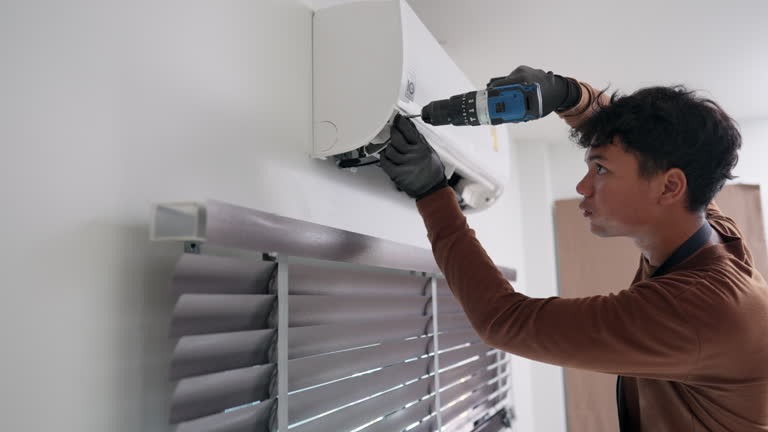
One major factor driving this trend is the increasing affordability and accessibility of smart devices. Products such as smart thermostats, lighting systems, security cameras, and voice-activated assistants have become widely available at competitive prices. This shift has encouraged visit for more insights Florida homeowners to invest in these technologies without facing prohibitive costs. Additionally, many manufacturers now offer user-friendly interfaces and easy installation processes that appeal to both tech-savvy individuals and those new to automation systems.
Another important element contributing to the rise in demand is heightened awareness about energy conservation. Florida’s warm climate leads to high electricity consumption due to air conditioning needs. Smart thermostats help optimize temperature settings by learning users’ habits or adjusting based on real-time weather data, resulting in significant energy savings over time. Similarly, automated lighting controls reduce unnecessary power usage by turning off lights when rooms are unoccupied or during daylight hours.
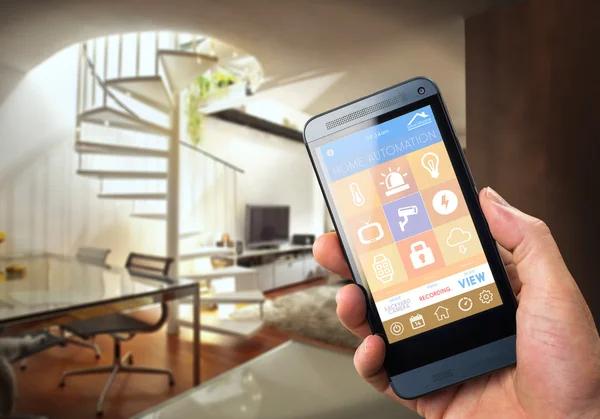
Safety concerns also play a crucial role in promoting home automation adoption throughout Florida communities. Smart security systems provide real-time monitoring via mobile apps, enabling homeowners to keep an eye on their properties from anywhere at any time. Features like motion detection alerts, video doorbells with two-way communication capabilities, and automated locks enhance protection against intrusions while offering peace of mind for families who travel frequently or live alone.
Furthermore, the desire for increased comfort influences consumer choices within this market segment. Voice-controlled assistants integrated with other smart appliances allow seamless management of entertainment systems or household chores through simple commands. For instance, users can adjust lighting ambiance before arriving home or start cleaning robots remotely without manual intervention.
Florida’s diverse population includes many retirees who value independence but appreciate assistance with everyday tasks; thus smart home solutions cater well to this demographic by improving quality of life through technology-enabled convenience.
The ongoing development of 5G networks across Florida supports faster communication between devices and smoother operation overall which encourages further investment into sophisticated automation setups.
In summary, affordability improvements combined with practical benefits related to energy savings, enhanced security measures,and lifestyle conveniences are key trends propelling the growth of home automation demand in Florida’s residential sector today. These factors suggest continued expansion as technological innovations evolve alongside consumer expectations for smarter living environments tailored specifically to regional needs such as those found within Sunshine State households seeking modernized comfort coupled with efficiency gains year-round.