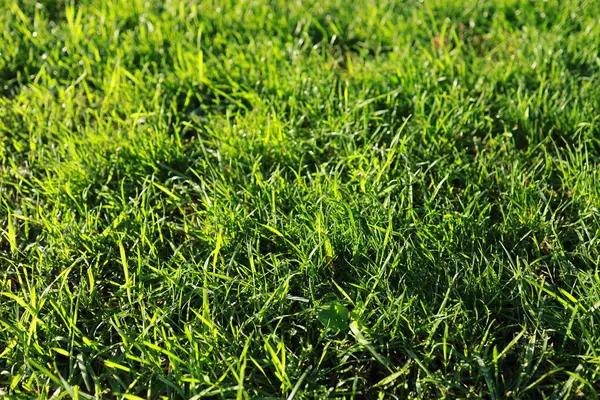
Controlling crabgrass after it has emerged in your lawn requires a strategic approach that combines proper identification, timely application of herbicides, and consistent lawn care practices. Post emergent crabgrass control methods focus on targeting the weed once it is visible and actively growing, which allows for more precise treatment compared to pre-emergent solutions applied before germination. The first step in managing post emergent crabgrass involves recognizing the weed early. Crabgrass typically appears as light green or grayish clumps with wider blades than most turf grasses. Identifying these patches promptly enables effective intervention before the weed spreads extensively.
Selective herbicides designed specifically for grassy weeds are commonly used in post emergent Post-Emergent Crabgrass Control. Products containing active ingredients such as quinclorac, fenoxaprop-p-ethyl, or mesotrione effectively target crabgrass while minimizing damage to desirable turf species like Kentucky bluegrass or tall fescue. It is important to carefully follow label instructions regarding application rates and timing to maximize effectiveness and reduce harm to surrounding plants. Applying these herbicides during the early growth stages of crabgrass-when the plants are young and actively growing-yields better results than treating mature weeds.
In addition to chemical treatments, improving overall lawn health plays a significant role in suppressing crabgrass regrowth. Maintaining proper mowing height ensures that turf grasses can outcompete weeds by shading soil surfaces where seeds might otherwise germinate. Regular watering schedules promote deep root development of desirable grasses, enhancing their ability to resist invasion by opportunistic species like crabgrass. Aerating compacted soils improves oxygen availability and nutrient absorption, further strengthening lawn resilience against weed establishment.
Manual removal may be necessary when infestations are localized but stubbornly persistent despite chemical applications. Hand-pulling young crabgrass plants can reduce seed production if done thoroughly before flowering occurs; however, this method requires diligence as missed roots can regenerate quickly under favorable conditions.
Combining multiple strategies often yields the best outcomes for controlling post emergent crabgrass effectively over time. Integrating selective herbicide use with cultural practices such as appropriate mowing heights, irrigation management, fertilization tailored to grass needs, and soil aeration creates an environment less conducive to weed proliferation while promoting healthy turf growth.
Regular monitoring throughout the growing season helps detect new outbreaks early so interventions remain timely and efficient rather than reactive after widespread infestation develops. By adopting a comprehensive approach focused on both immediate elimination and long-term prevention measures, homeowners can successfully manage even stubborn patches of post emergent crabgrass without compromising overall lawn quality or sustainability efforts aimed at reducing excessive chemical reliance on landscapes prone to persistent weed challenges.