
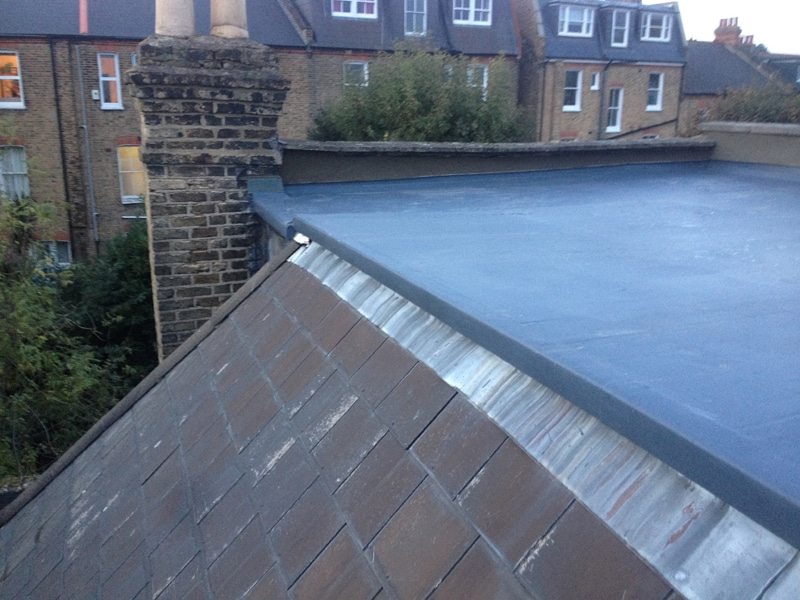
When it comes to choosing a roofing design for residential or commercial buildings, the decision often boils down to two primary options: flat roofs and pitched roofs. Each design has its unique advantages and disadvantages, which can significantly impact the building’s aesthetics, functionality, maintenance requirements, and overall cost.
Flat roofs are characterized by their minimal slope, typically less than 10 degrees. One of the most notable pros of flat roofs is their modern appearance and versatility in architectural design. They provide additional usable space on top of the building that can be transformed into roof gardens, terraces, or recreational areas. This feature is particularly valuable in urban settings where outdoor space is limited. Flat roofs are generally easier and safer to access for maintenance tasks such as cleaning gutters or inspecting HVAC systems installed on the rooftop. Additionally, construction costs for flat roofs tend to be lower due to simpler structural requirements and reduced material usage.
However, flat roofs come with several drawbacks primarily related to drainage issues. Because they lack significant slope, water tends to pool on their surface if not properly designed with adequate drainage systems. Standing water increases the risk of leaks and accelerates wear over time. Flat roofing materials also need frequent inspections and maintenance since they are more vulnerable to damage from weather conditions like heavy rain or snow accumulation. Insulation can sometimes be less effective compared to pitched designs because heat may escape more easily through a flat surface.
On the other hand, pitched roofs have a noticeable incline ranging from moderate slopes up to steep angles depending on architectural style or climate considerations. Their biggest advantage lies in natural water runoff; rainwater and snow slide off easily due to gravity which helps prevent leaks and structural damage caused by moisture buildup. Pitched roofs also offer better ventilation options within attic spaces that help regulate indoor temperatures while reducing energy costs during extreme weather seasons.
Aesthetically speaking, pitched roofs lend themselves well to traditional home designs with classic appeal that many homeowners find attractive when considering curb appeal value during resale opportunities.
Nonetheless, pitched roof installations often involve higher upfront expenses because they require more complex framing work along with increased labor costs for installation safety at heights involved in steep slopes construction processes.. Maintenance may also pose challenges given limited accessibility without specialized equipment or professionals especially after storms when debris removal becomes necessary..
In summary , both flat roof vs pitched roof designs present distinct benefits alongside inherent limitations . Flat roofs excel in providing multifunctional outdoor spaces combined with cost-effectiveness but demand vigilant upkeep against drainage problems . Conversely , pitched roofs ensure superior durability against weather elements coupled with timeless visual charm albeit at greater initial investment plus occasional maintenance complexities linked mainly due accessibility constraints . The optimal choice depends largely upon specific project goals including budget parameters , environmental factors , intended use of rooftop area ,and personal aesthetic preferences .


