
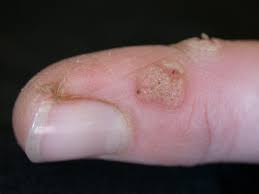
Moles are common skin growths that can appear anywhere on the body. While most moles are harmless, some individuals may choose to have them removed for cosmetic reasons or due to potential health concerns. Understanding safe mole removal procedures is essential for ensuring both effective and risk-free outcomes.
The first step in mole removal is a thorough evaluation by a dermatologist. This assessment helps determine whether the mole is benign or if there are any signs of malignancy that require further investigation. If a mole exhibits irregular borders, multiple colors, or changes in size, it may be indicative of melanoma, a type of skin cancer. In such cases, prompt medical intervention is crucial.
Once the dermatologist confirms that the mole can be safely removed, several methods are available depending on its size, location, and nature. One common procedure is surgical excision, where the entire mole and a margin of surrounding tissue are cut out using a scalpel. This method ensures complete removal and allows for histological examination to rule out cancerous cells.
Another popular technique is shave excision. In this procedure, the doctor uses a small blade to shave off the mole at skin level without needing stitches. Shave excision is often used for smaller moles that do not penetrate deeply into the skin layers.
For those seeking non-invasive options, laser therapy offers an alternative solution. Laser nasal wart treatment employs focused light beams to break down pigment within the mole gradually over several sessions until it fades away completely. This method minimizes scarring but might not be suitable for all types of moles.
Cryotherapy involves freezing off superficial moles with liquid nitrogen; however, it’s typically reserved for benign lesions since deeper penetration isn’t possible with this approach alone.
Electrosurgery utilizes high-frequency electrical currents applied directly onto targeted areas causing controlled burning which destroys unwanted tissues including certain kinds found within problematic pigmented spots like nevi (mole).